
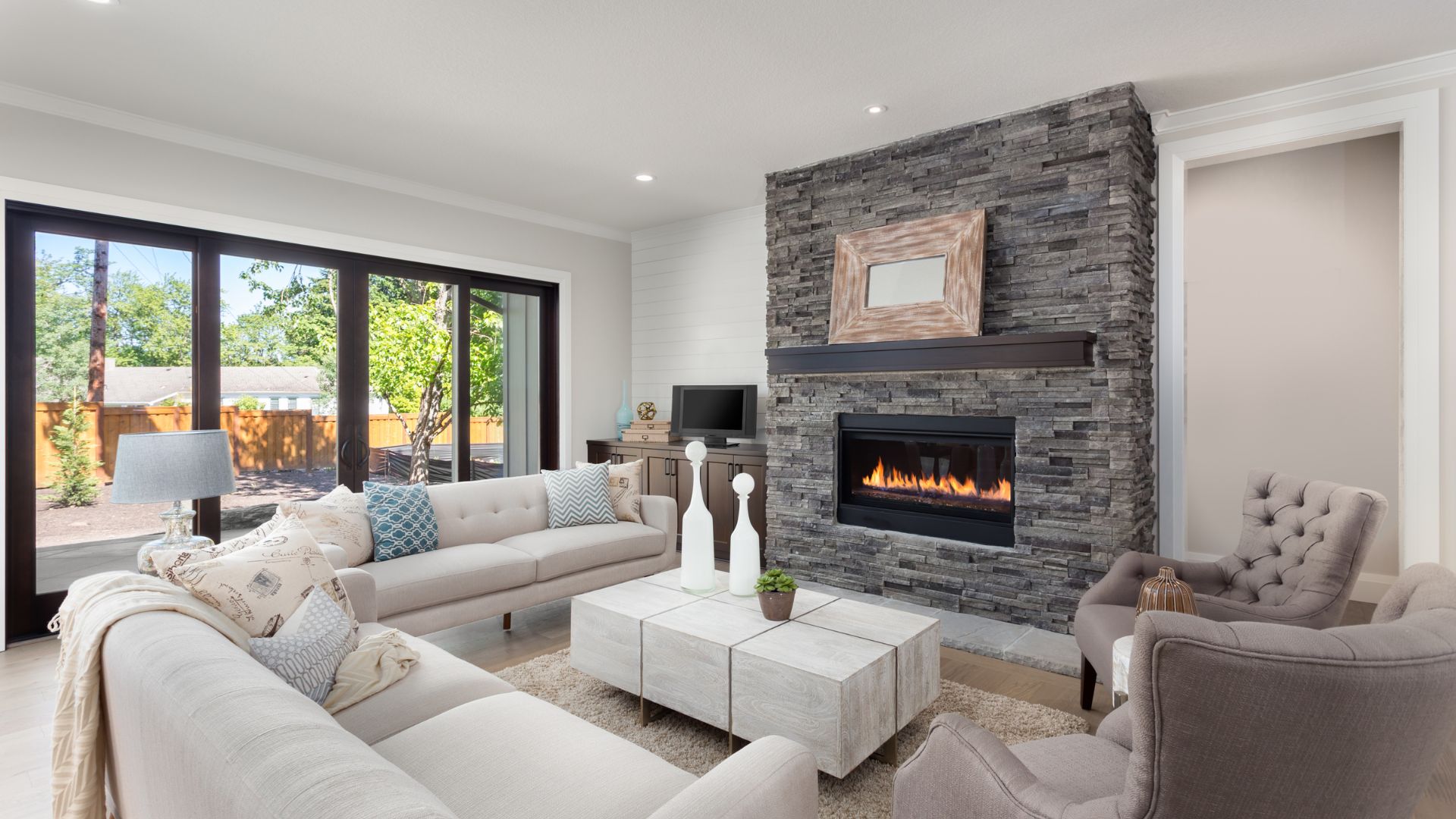
Planning home renovations in Durham Region is an exciting opportunity to improve the comfort, appearance and functionality of your property. Whether you are updating an older kitchen in Oshawa, remodelling a bathroom in Whitby, finishing a basement in Ajax or improving a family home in Pickering, the decisions made before construction begins can have a major effect on the final result.
This guide explains what Durham Region homeowners should know before starting a renovation, including how to establish priorities, choose a contractor, prepare for permits and avoid common planning mistakes.
Start by Identifying Your Renovation Goals
Before requesting estimates, decide what you want the renovation to accomplish. A clear list of goals will help your contractor understand your priorities and recommend an appropriate scope of work.
Consider the following questions:
- Which rooms or areas need to be renovated?
- What problems are you trying to correct?
- Do you need more storage or a better layout?
- Are damaged or outdated materials creating concerns?
- Will the renovation involve plumbing, electrical or structural work?
- Are you renovating for your current needs or preparing for the future?
- Which features are essential and which are optional?
Try to separate your priorities into three categories: necessary repairs, functional improvements and cosmetic upgrades. This can make it easier to adjust the scope if your initial wish list exceeds your available budget.
Choose the Right Renovation for Your Home
The best place to begin depends on the condition of your home and how your family uses the space. Some Durham Region homeowners renovate one room at a time, while others coordinate several connected areas as part of a larger interior remodel.
Kitchen Renovations
A kitchen renovation can improve storage, workflow, lighting and the way your family uses the main floor. Before selecting finishes, consider the location of appliances, available counter space, cabinet storage and movement through the room.
TurnKey Renovations & Design provides kitchen renovation services in Durham Region for homeowners who want to update an older kitchen, improve its layout or complete a more extensive remodel.
Bathroom Renovations
A bathroom renovation may involve new tile, a vanity, a bathtub or shower, lighting, ventilation, plumbing fixtures and improved storage. Moisture protection and proper installation are especially important in bathrooms because the room is regularly exposed to water and humidity.
Learn more about our bathroom renovation services for homes in Pickering, Ajax, Whitby, Oshawa and surrounding communities.
Basement Renovations
A finished basement can create a family room, home office, recreation area, guest space or additional storage. Before planning the finishes, inspect the basement for moisture, foundation concerns, low ceilings, insulation issues and outdated electrical or plumbing systems.
A basement should be dry and properly prepared before drywall, flooring and other finishes are installed. Explore our Durham Region basement renovation services to learn more.
Painting and Drywall
Painting and drywall improvements can refresh an older interior, repair damaged walls and create a clean finish after other renovation work has been completed. Drywall installation and repairs should normally be coordinated after electrical, plumbing and structural work inside the walls is complete.
TurnKey also provides professional painting and drywall services for smaller updates and larger home renovation projects.
Deck and Fence Projects
Outdoor improvements can create a more useful backyard, improve privacy and refresh the exterior of your property. Deck and fence projects may require careful planning around property lines, grading, drainage, height and municipal requirements.
Visit our deck and fence services page for information about outdoor renovation projects in Durham Region.
Develop a Clear Scope of Work
A renovation scope describes exactly what will be changed, removed, repaired and installed. The more detailed the scope becomes, the easier it is to prepare an accurate estimate and compare proposals from different contractors.
Your scope may include:
- Demolition and removal of existing materials
- Changes to walls, doors or room layouts
- Plumbing and electrical work
- Cabinetry and storage
- Flooring, tile and countertops
- Drywall, trim and painting
- Lighting and plumbing fixtures
- Appliance installation
- Waste removal and cleanup
- Permit drawings and inspections
Without a clear scope, one contractor may price a complete project while another leaves out demolition, painting, disposal or finishing work. This can make a lower estimate appear more competitive even though it does not include the same services.
Create a Realistic Renovation Budget
The cost of home renovations in Durham Region depends on the room, size, condition of the property, selected materials and amount of skilled trade work required. Layout changes and hidden problems can also increase the total investment.
Your renovation budget should consider:
- Design and planning
- Permit applications and drawings
- Demolition and disposal
- Construction labour
- Plumbing and electrical work
- Materials and fixtures
- Cabinetry and countertops
- Flooring, tile and paint
- Delivery and product-ordering expenses
- Cleanup and final finishing
- A contingency for unexpected conditions
Homeowners should avoid committing their entire available budget to the initial list of finishes. Renovations can reveal water damage, deteriorated framing, old wiring, plumbing problems or previous work that needs to be corrected.
A contingency gives you greater flexibility if the project uncovers an issue that could not reasonably have been confirmed before demolition.
Understand the Age and Condition of Your Home
The condition of the existing property can affect the renovation more than the age alone. A well-maintained older home may require fewer repairs than a newer property with water damage or poorly completed previous renovations.
Potential issues to investigate include:
- Water stains or recurring leaks
- Foundation cracks or basement moisture
- Uneven floors or damaged framing
- Outdated electrical wiring
- Old plumbing materials
- Insufficient insulation
- Poor bathroom or kitchen ventilation
- Previous alterations completed without permits
- Mould, rot or pest damage
Not every issue can be seen before walls or floors are opened. However, a careful site review can identify warning signs and help the contractor develop a more realistic plan.
Find Out Whether You Need a Building Permit
Building permits in Durham Region are managed by the local municipality where the property is located. Durham Region includes Ajax, Brock, Clarington, Oshawa, Pickering, Scugog, Uxbridge and Whitby.
Permit requirements depend on the type of project. Cosmetic work such as painting or replacing certain finishes may not require a building permit, while structural alterations, additions, plumbing changes and some basement renovations generally require municipal review.
Projects that may require a building permit include:
- Removing or changing load-bearing walls
- Creating new window or door openings
- Building an addition
- Making significant plumbing changes
- Creating an additional dwelling unit
- Completing certain basement renovations
- Constructing a raised deck
- Changing the use of a room or building
- Making structural repairs
Homeowners should confirm the requirements directly with their local building department before starting construction. Official resources include:
- Town of Ajax home and property renovations
- City of Pickering building permits
- Town of Whitby building permits
- City of Oshawa building permits
- Durham Region local municipality directory
If your property is located in Brock, Clarington, Scugog or Uxbridge, use the Durham Region directory to find the correct local building department.
Do Not Begin Permit-Required Work Too Early
Construction that requires municipal approval should not begin until the necessary permit has been issued. Starting too early can result in delays, additional costs or completed work needing to be exposed so it can be inspected.
Permit planning can affect:
- The project start date
- The drawings that must be prepared
- The final room layout
- Structural requirements
- The number and timing of inspections
- Material and product specifications
Your written renovation agreement should identify who is responsible for determining permit requirements, preparing drawings, submitting applications, paying fees and scheduling inspections.
Understand Electrical Notifications and Inspections
A municipal building permit is different from an electrical notification filed with the Electrical Safety Authority. Depending on the project, your renovation may require both.
Kitchen, bathroom and basement renovations commonly involve new lighting, receptacles, switches, wiring or electrical equipment. When you hire someone to complete electrical work in Ontario, the work must be handled by a Licensed Electrical Contractor, subject to limited legal exceptions.
The Licensed Electrical Contractor should file the required electrical notification and arrange the necessary review. Homeowners can learn more through the ESA’s official guide to electrical notifications and inspections.
Before work begins, ask your general contractor:
- Which Licensed Electrical Contractor will complete the work?
- Who will file the ESA notification?
- When will inspections or reviews take place?
- Will electrical work remain visible until it is reviewed?
- Will you receive the final ESA documentation?
Choose a Reliable Durham Region Renovation Contractor
The contractor you select will influence the quality, organization and overall experience of the project. Do not choose a renovation company based only on the lowest initial price.
Evaluate the contractor’s:
- Experience with similar renovations
- Knowledge of local homes and permit processes
- Proof of insurance
- Recent project examples
- Customer reviews and references
- Written estimate and contract
- Project management process
- Communication style
- Use of qualified skilled trades
- Warranty and final walkthrough process
A dependable contractor should be willing to explain the scope, answer questions and identify possible concerns before construction begins. Be cautious of vague pricing, high-pressure sales tactics or promises that seem unrealistic.
Get a Detailed Written Renovation Contract
A written contract protects both the homeowner and the contractor by documenting what has been agreed upon. Consumer Protection Ontario recommends including a detailed description of the work, materials, pricing, payment terms, schedule, warranties and cleanup responsibilities.
Review the province’s official information about your rights when starting home renovations or repairs.
Your renovation contract should identify:
- The contractor’s legal business information
- The project address
- The complete scope of work
- Materials and product allowances
- The total price and applicable taxes
- The deposit and payment schedule
- Estimated start and completion dates
- Permit and inspection responsibilities
- Cleanup and disposal requirements
- Warranty information
- The process for approving changes
- Work specifically excluded from the agreement
Do not depend on verbal promises. Important details, upgrades and changes should be documented in writing.
Compare Complete Estimates Instead of Final Totals
When comparing renovation proposals, make sure each contractor has priced a similar scope. A lower estimate may exclude services or materials included by another company.
Review whether each estimate includes:
- Demolition
- Waste disposal
- Plumbing and electrical work
- Permit preparation
- Fixtures and finish materials
- Painting and drywall
- Delivery expenses
- Final cleaning
- Project management
Also review any product allowances. An allowance is an estimated amount set aside for an item that has not yet been selected. If your final selection costs more than the allowance, the project price will increase.
Finalize Major Material Selections Early
Material availability can influence your renovation timeline. Cabinets, countertops, custom glass, specialty tile, plumbing fixtures and appliances may require significant ordering time.
Try to select the following before demolition begins:
- Cabinet style, layout and colour
- Countertop material
- Flooring and tile
- Plumbing fixtures
- Lighting fixtures
- Paint colours
- Doors, trim and hardware
- Major appliances
Early selections allow the contractor to confirm dimensions, installation requirements and product compatibility. They also reduce the risk of the project stopping while everyone waits for a missing item.
Build a Realistic Renovation Timeline
The renovation timeline includes more than the construction itself. Planning, design, permits, product ordering, inspections and final corrections all require time.
A typical renovation process may include:
- Initial consultation and site review
- Scope development and budgeting
- Design and material selections
- Permit applications, when required
- Product ordering
- Site preparation and demolition
- Structural framing
- Plumbing, electrical and HVAC rough-ins
- Required inspections
- Insulation and drywall
- Cabinetry, tile and flooring
- Painting and final fixtures
- Cleanup and final walkthrough
The sequence will vary depending on the project. However, understanding the major stages makes it easier to prepare for temporary disruptions and important homeowner decisions.
Consider the Season When Planning Your Project
Interior renovations can be completed throughout the year, but weather may still affect deliveries, access and certain types of work. Exterior projects such as decks, fences and structural additions are more directly influenced by rain, snow, frozen ground and seasonal demand.
Consider:
- When you want the space ready to use
- Whether exterior access is required
- When materials need to be ordered
- Whether windows or doors will be temporarily removed
- How weather may affect concrete, landscaping or excavation
- Whether your preferred contractor is available
Contacting a contractor early can give you more time for planning, selections and municipal approvals before your preferred construction period.
Think About Energy Efficiency While Walls Are Open
A renovation can be a good opportunity to address insulation, air leakage, ventilation and energy use, particularly when walls or ceilings are already being opened.
Possible improvements include:
- Adding or improving insulation
- Sealing air leaks
- Improving bathroom and kitchen ventilation
- Installing efficient lighting
- Replacing inefficient windows or doors when necessary
- Reviewing heating and cooling needs
- Preparing for future electrical requirements
Natural Resources Canada recommends considering the home as a complete system because insulation, ventilation, heating, cooling and air sealing affect one another. Review the federal guidance on renovating for energy efficiency.
Prepare for Dust, Noise and Temporary Disruptions
Even an organized renovation can affect your normal routine. Before the project begins, discuss how the work area will be separated and which parts of the home will remain accessible.
Preparation may include:
- Removing furniture and personal belongings
- Creating a temporary kitchen
- Protecting flooring and nearby rooms
- Planning for children and pets
- Confirming worker access and parking
- Discussing dust-control measures
- Planning material storage
- Arranging temporary accommodation for major projects
Ask the contractor what protection, cleanup and waste-removal services are included in the project.
Plan for Water and Moisture Concerns
Water damage should be corrected before installing new finishes. Covering a moisture problem with drywall, flooring or cabinetry does not solve the source of the issue and may lead to more expensive repairs later.
Watch for:
- Basement dampness
- Water stains on ceilings or walls
- Damaged caulking around tubs and showers
- Poor grading or drainage outside
- Condensation around windows
- Musty odours
- Soft or discoloured flooring
- Peeling paint or swollen trim
The source of the water should be identified and repaired before the damaged area is rebuilt.
Understand How Renovation Changes Are Approved
Changes can affect both the cost and completion date. Some changes are requested by the homeowner, while others become necessary because of hidden conditions discovered during demolition.
A written change order should explain:
- What additional or revised work is required
- Why the change is being made
- The additional or reduced cost
- The effect on the project timeline
- Any new materials or selections
- Approval from the homeowner and contractor
Avoid approving significant changes through casual conversations. Written documentation helps keep the scope, budget and responsibilities clear.
Complete a Final Renovation Walkthrough
When the renovation is substantially complete, inspect the finished space with your contractor. Compare the result with the agreed scope and create a written list of incomplete details or corrections.
During the walkthrough, review:
- Cabinet doors and drawers
- Plumbing fixtures and drainage
- Lighting, switches and receptacles
- Tile and flooring installation
- Paint and drywall finishes
- Trim, hardware and caulking
- Appliance installation
- Cleanup and debris removal
Keep copies of the contract, approved change orders, permits, inspection records, product information and warranty documents with your home records.
Common Home Renovation Mistakes to Avoid
Many renovation problems begin with decisions made before construction. Avoid these common mistakes:
- Starting without a clear scope
- Setting an unrealistic budget
- Using all available funds without a contingency
- Choosing a contractor based only on price
- Failing to verify permit responsibilities
- Ordering important materials too late
- Making repeated layout changes during construction
- Ignoring moisture or structural concerns
- Relying on verbal agreements
- Expecting an unrealistic completion date
Careful planning cannot prevent every unexpected issue, but it can reduce unnecessary delays, confusion and cost increases.
Frequently Asked Questions About Home Renovations in Durham Region
Do I Need a Permit for a Home Renovation in Durham Region?
It depends on the municipality and scope of work. Cosmetic updates may not require a building permit, while structural changes, additions, plumbing alterations and certain basement projects may require municipal approval. Confirm the requirements with your local building department.
How Long Does a Home Renovation Take?
The timeline depends on the size, design, permit requirements, material lead times and amount of skilled trade work involved. A smaller painting or drywall project may take much less time than a kitchen, basement or multi-room renovation.
How Much Should I Budget for Unexpected Renovation Costs?
The appropriate contingency depends on the age, condition and complexity of the home. Older properties and projects involving demolition may have a greater risk of hidden issues. Discuss potential concerns with your contractor before finalizing the budget.
When Should I Contact a Renovation Contractor?
Contact a contractor during the early planning stage. Early involvement can help you understand the potential scope, feasibility, permit considerations, product lead times and likely project sequence.
Can I Live in My Home During the Renovation?
Many homeowners remain in their homes during smaller projects. Temporary accommodation may be more practical when the renovation affects several rooms, removes essential facilities or creates significant dust, noise and access restrictions.
What Should I Renovate First?
Prioritize active leaks, water damage, structural concerns, unsafe electrical work and other necessary repairs before beginning cosmetic improvements. Once essential issues are addressed, focus on the spaces that will provide the greatest improvement to your daily routine.
What Communities Does TurnKey Renovations & Design Serve?
TurnKey Renovations & Design serves homeowners across Durham Region and the Greater Toronto Area, including Pickering, Ajax, Whitby and Oshawa. Visit our renovation FAQs or contact our team to confirm whether your property is within our service area.
Plan Your Durham Region Renovation With TurnKey Renovations & Design
Successful home renovations in Durham Region begin with thoughtful planning, a realistic budget and a contractor who communicates clearly throughout the project.
TurnKey Renovations & Design helps homeowners improve their properties with professional kitchen renovations, bathroom remodels, basement renovations, decks, fences, painting and drywall services. Our process is focused on careful planning, dependable workmanship and clear communication from the initial consultation through the final walkthrough.
Explore our complete home renovation services or view examples of our interior renovation projects.
Planning a renovation in Pickering, Ajax, Whitby, Oshawa or a nearby Durham Region community? Contact TurnKey Renovations & Design to tell us about your project and request an estimate.